
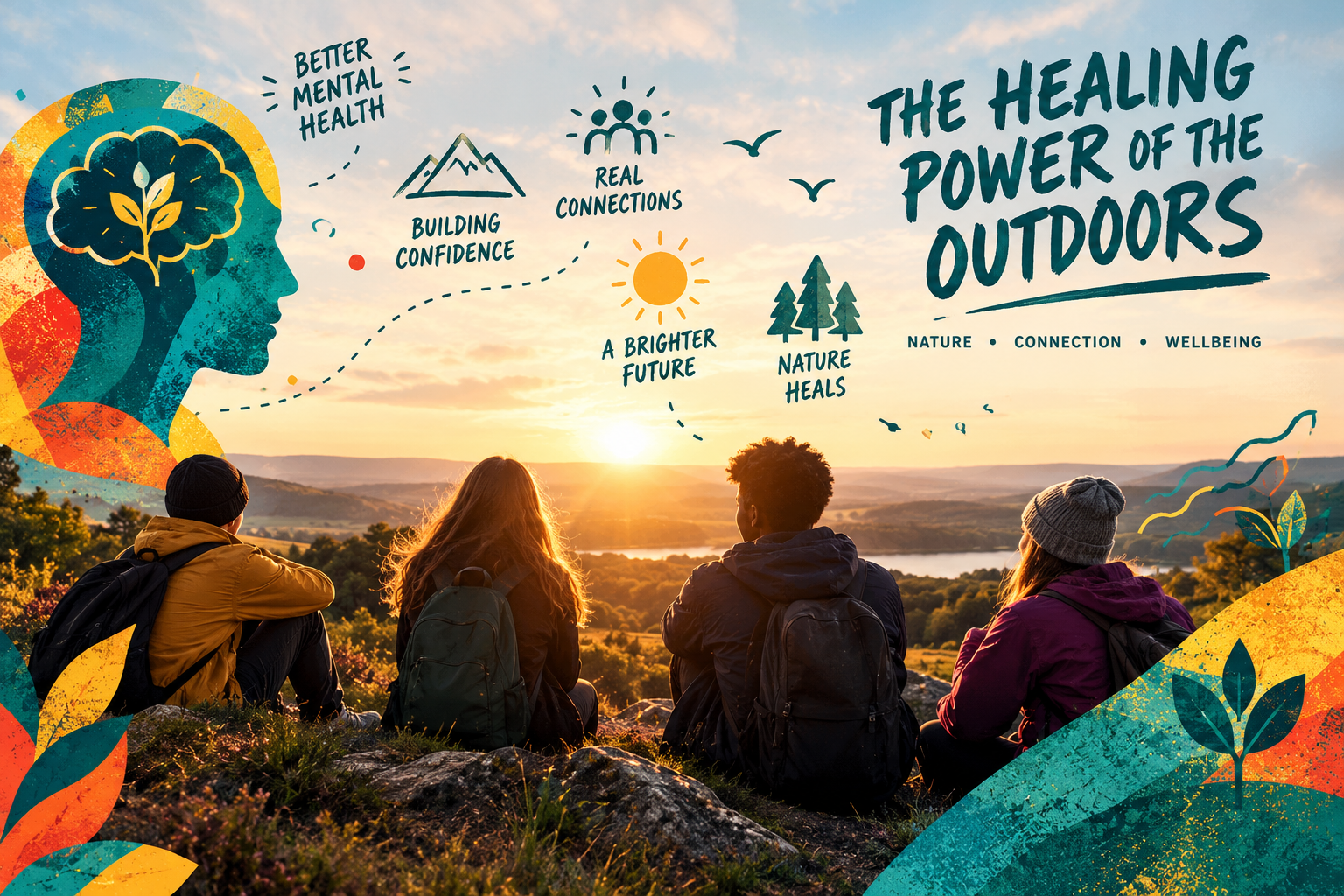
The Healing Power of the Outdoors: How Nature Can Transform Our Wellbeing
Discover how spending time in nature can support mental health, nurture emotional wellbeing and create a sense of belonging for neurodivergent individuals and people of all ages.
Finding Calm in a Busy World
Modern life can be overwhelming. From the constant demands of education and work to the pressures of social expectations, everyday responsibilities and sensory overload, it can sometimes feel as though there is very little opportunity to pause, breathe and simply be ourselves.
For neurodivergent individuals, these challenges can be particularly significant. Navigating environments that do not always accommodate different ways of thinking, feeling, communicating and processing information can be exhausting. The pressure to fit in, manage expectations and cope with overwhelming situations can affect confidence, emotional wellbeing and a person's sense of belonging.
But what if some of the most valuable opportunities to reconnect with ourselves could be found just beyond our front doors?
At The Outsiders Club, we believe the outdoors offers something truly special. From peaceful woodland walks and open green spaces to the simple experience of feeling the breeze on our faces, nature can provide a welcome opportunity to slow down, find perspective and reconnect with the world around us.
Spending time outdoors is not a cure for every challenge we face, but it can be a powerful part of a wider approach to supporting mental health, building resilience and nurturing a healthier relationship with ourselves and others.
1. Nature Creates Space to Breathe
One of the most immediate benefits of spending time outdoors is the opportunity to step away from the pressures of everyday life.
Busy classrooms, crowded public spaces, constant notifications and demanding routines can leave us feeling mentally exhausted. For some neurodivergent people, bright lights, background noise, unexpected changes and competing sensory information can make ordinary environments particularly challenging.
Natural environments can offer a different experience. The gentle movement of trees, the sound of birdsong, the rhythm of walking and the changing patterns of light can provide opportunities to engage with our surroundings in a calmer, more manageable way.
Research suggests that spending time in green spaces can support stress reduction, mood and psychological wellbeing. Although everyone's experience is different, nature can offer a valuable opportunity to pause, regulate emotions and take a break from everyday demands.
Sometimes, wellbeing does not begin with doing more. Sometimes, it begins with giving ourselves permission to slow down.
A walk through a local park, sitting beside a stream or simply spending a few quiet minutes in a garden can become a small but meaningful act of self-care.
2. Supporting Neurodivergent Minds Through Nature
At The Outsiders Club, we recognise that every neurodivergent individual experiences the world differently.
For some, everyday environments can involve navigating a constant stream of sensory information, social expectations and demands that others may not immediately recognise. For others, the biggest challenges might involve anxiety, communication, emotional regulation or feeling misunderstood.
This is where inclusive outdoor experiences can offer valuable opportunities.
Nature does not require us to communicate in a particular way, maintain eye contact, follow every social convention or demonstrate our abilities according to a fixed set of expectations. In a supportive outdoor setting, individuals can often explore, participate and connect with others in ways that feel more natural to them.
Outdoor activities can also provide different ways to engage. Some people may enjoy energetic adventures, while others prefer quiet observation, exploring woodland paths, identifying wildlife or sitting peacefully in a green space.
There is no single correct way to experience nature.
By offering flexibility, understanding and freedom of choice, we can help create environments where neurodivergent people feel accepted rather than pressured to conform. These experiences can support confidence, self-awareness and a greater sense of independence.
Most importantly, they can help individuals recognise that they do not need to change who they are to deserve a place in the world.
3. Reconnecting With Our Emotions
Our emotional wellbeing is closely connected to the environments in which we spend our time.
When life becomes overwhelming, it can be difficult to recognise our feelings, understand what we need or find the space to process challenging experiences. Stress and anxiety can make it harder to think clearly, while prolonged pressure can leave us feeling disconnected from ourselves.
Time outdoors can provide a valuable opportunity to step back from these demands.
Walking, observing the natural world or engaging in a simple outdoor activity can encourage us to focus on the present moment. Rather than becoming caught up in everything that has happened or everything still to come, we can begin to notice what is happening around us right now.
The sensation of the ground beneath our feet, the sound of leaves moving in the wind or the sight of sunlight filtering through the trees can provide gentle reminders to reconnect with our surroundings.
For individuals who find traditional mindfulness exercises difficult, nature-based activities may offer a more accessible alternative. There is no need to sit still, close your eyes or follow a particular technique. Simply noticing the world around you can be enough to begin.
For those who have experienced trauma or prolonged stress, supportive outdoor experiences may also contribute to a wider process of recovery. Feeling safe, having control over participation and building trust with supportive people can all be important. However, healing takes time, and nature-based activities should complement rather than replace professional support when it is needed.
At The Outsiders Club, we believe that emotional wellbeing deserves patience, compassion and understanding. Everyone should have the space to move forward at their own pace.
4. Building Confidence Through Outdoor Adventures
Confidence does not always come from achieving something extraordinary. Often, it develops through small experiences that help us discover what we are capable of.
Trying a new walking route, learning to identify different plants, navigating a woodland trail or taking part in a group activity can provide opportunities to develop new skills and recognise personal strengths.
For neurodivergent individuals who may have experienced repeated criticism, misunderstanding or difficulties in traditional educational and social settings, these opportunities can be especially meaningful.
Outdoor environments can allow people to approach challenges differently. Activities can be adapted, goals can be personalised and progress can be recognised without comparing one person's achievements with another's.
A successful experience might mean completing a longer walk. For someone else, it might mean trying an unfamiliar activity, asking for support, spending time in a new environment or feeling comfortable enough to join a group.
Every step forward matters.
Through encouragement, flexibility and positive experiences, outdoor activities can help individuals develop self-belief, discover their interests and build a stronger sense of independence.
We believe that when people are given the opportunity to succeed in ways that reflect their own abilities and needs, they begin to see possibilities that may once have felt out of reach.
5. The Importance of Connection and Belonging
Human connection plays an important role in our wellbeing, yet forming relationships is not always easy.
For some neurodivergent individuals, social environments can feel demanding or unpredictable. Differences in communication styles, sensory needs or interests can sometimes make it difficult to find spaces where they feel genuinely understood.
The outdoors can offer a different setting for connection.
Walking alongside someone, exploring a nature trail together or working as a team on a shared activity can create opportunities for relationships to develop without the pressure of constant conversation or formal social interaction.
Shared experiences give people something to focus on together. Conversations can happen naturally, quiet moments can be enjoyed without awkwardness, and friendships can grow at a pace that feels comfortable for everyone involved.
Being part of a supportive group can also help reduce feelings of isolation. It can remind us that we are not alone in our experiences and that there are people who will accept us for who we are.
At The Outsiders Club, we believe belonging is about more than simply being included in an activity. It is about feeling welcomed, respected and valued.
We want to create outdoor experiences where individuals can build meaningful friendships, celebrate differences and discover the strength that comes from being part of a compassionate community.
6. Moving Our Bodies, Supporting Our Minds
Physical activity is another important part of the relationship between nature and wellbeing.
Movement can support physical health, improve sleep and contribute to positive mental health. When we combine physical activity with time outdoors, we create opportunities to benefit from both movement and contact with the natural world.
This does not mean everyone needs to climb mountains, complete challenging hikes or participate in demanding sports.
Movement can be as simple as taking a gentle stroll, exploring a local park, tending to a garden or following an accessible nature trail. The most beneficial activity is often one that feels enjoyable, manageable and appropriate for the individual.
For some people, moving outdoors can help release pent-up energy and provide a welcome change of environment. For others, a gentle walk can offer a chance to think, reflect or enjoy time with friends.
The key is to remove unnecessary pressure and make participation accessible.
At The Outsiders Club, we believe outdoor experiences should be about enjoyment, exploration and personal growth rather than performance. Everyone deserves the opportunity to discover movement in a way that works for them.
7. Nature Encourages Curiosity and Discovery
The natural world is full of opportunities to learn, explore and experience something new.
From discovering wildlife and identifying different trees to observing seasonal changes and exploring unfamiliar landscapes, nature invites us to become curious about the world around us.
For children and young people, these experiences can support learning beyond the classroom. They can encourage problem-solving, creativity, independence and practical life skills through direct experience.
For neurodivergent individuals, outdoor exploration can also provide opportunities to engage with personal interests and develop areas of strength. Someone with a passion for wildlife might enjoy observing birds, while another person might find satisfaction in understanding maps, recognising patterns in nature or learning how different ecosystems work.
These interests can become valuable starting points for confidence, connection and shared learning.
Outdoor environments also remind us that learning does not always need to happen through worksheets, formal instruction or structured activities. Sometimes, the most memorable lessons come from asking questions, experimenting, making discoveries and experiencing the world first-hand.
By creating opportunities for curiosity and exploration, we can help individuals develop a lifelong appreciation for learning and the natural environment.
8. Creating Positive Experiences That Last
The benefits of outdoor experiences are not limited to the time we spend outside.
A positive experience in nature can become a memory that individuals return to when they need encouragement, reassurance or a reminder of what they have achieved. Learning a new skill, making a friend or discovering a place where they feel comfortable can have an impact long after an activity has ended.
Over time, regular opportunities to spend time outdoors may also help people develop routines that support their wellbeing, recognise their personal needs and discover activities they genuinely enjoy.
For children and young people, these experiences can be particularly valuable during important stages of development. Feeling supported, building positive relationships and having opportunities to develop confidence can help create a stronger foundation for future challenges.
We should never underestimate the importance of small moments: a laugh shared during a walk, the excitement of discovering something new or the feeling of being accepted by a group.
These experiences matter because they help build a more positive relationship with ourselves, other people and the world around us.
At The Outsiders Club, our aim is to create opportunities for these moments to happen naturally, within environments where individuals feel safe, supported and encouraged to grow.
9. Making the Outdoors Accessible to Everyone
Although nature offers many potential benefits, access to outdoor spaces and activities is not always straightforward.
Sensory sensitivities, physical disabilities, anxiety, transport difficulties, financial barriers and uncertainty about unfamiliar environments can all affect a person's ability to participate.
That is why inclusion must be at the heart of every outdoor experience.
Creating accessible opportunities means listening to individuals, understanding their needs and adapting activities wherever possible. It might involve choosing an appropriate route, offering quieter environments, providing clear information in advance, allowing additional breaks or giving people the freedom to participate in their own way.
It also means recognising that some individuals may need more time to feel comfortable in a new environment. There should be no pressure to participate beyond what feels manageable, and taking a step back should always be respected.
For us, inclusion is not about expecting everyone to experience the outdoors in the same way. It is about removing barriers so that more people can discover what nature has to offer.
Every individual deserves the opportunity to experience the freedom, enjoyment and connection that outdoor spaces can provide.
How The Outsiders Club Can Help
At The Outsiders Club, our mission is to harness the positive power of nature to support neurodivergent individuals, nurture wellbeing and create meaningful opportunities for connection and growth.
We believe that outdoor experiences should be welcoming, inclusive and shaped around the people taking part. By combining an understanding of neurodiversity with a compassionate approach to outdoor activities, we aim to create environments where individuals can feel comfortable, explore their interests and develop confidence in their own way.
Our approach is built around several core principles:
- Understanding individuality: Recognising that every person has different strengths, preferences, experiences and support needs.
- Promoting wellbeing: Creating opportunities to step away from everyday pressures and enjoy the restorative qualities of nature.
- Building confidence: Encouraging personal growth through achievable challenges, exploration and positive experiences.
- Fostering connection: Helping individuals develop friendships and experience a genuine sense of belonging.
- Celebrating inclusion: Making outdoor activities as accessible and welcoming as possible.
- Respecting nature: Encouraging a lasting appreciation for the environment and the importance of protecting it.
We want to help people discover that the outdoors can be more than a place to visit. It can become a source of enjoyment, a space for reflection, an opportunity to build relationships and a meaningful part of a healthy, balanced life.
Take the First Step Outdoors
You do not need to travel far, embark on a major adventure or completely change your routine to begin experiencing the benefits of nature.
Start small. Visit a local park, spend time in a garden, explore a nearby green space or simply pause to notice the natural world around you. Find an activity that feels comfortable, choose a pace that suits you and give yourself permission to enjoy the experience without expectations.
For some, the journey towards better wellbeing begins with a quiet walk. For others, it begins with meeting new people, trying something different or discovering a place where they finally feel they belong.
There is no single path, and there is no need to rush.
At The Outsiders Club, we believe that everyone deserves the opportunity to experience the outdoors in a way that feels meaningful to them. Through understanding, inclusion and a shared appreciation for nature, we hope to help individuals build confidence, strengthen connections and discover new possibilities for the future.
Because sometimes, taking a step outside can be the beginning of something much bigger.
If you would like to learn more about The Outsiders Club and our inclusive outdoor experiences, get in touch with our team. We would love to explore how we can help you or someone you support discover the positive possibilities of the outdoors.
The Outsiders Club — creating opportunities to connect with nature, connect with others and grow together.